
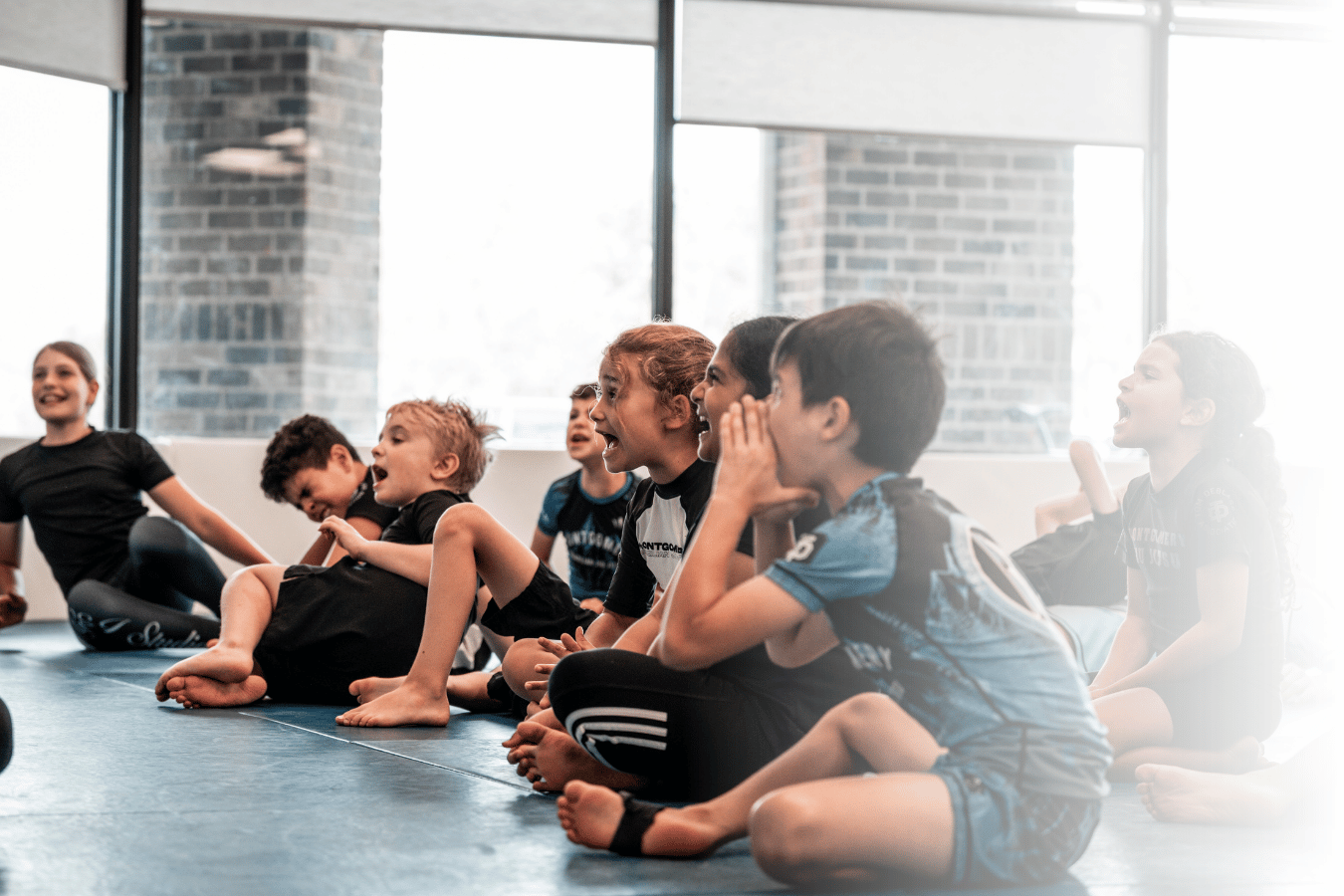
Jiu-jitsu gives teens a workout that feels like learning a real skill, not just “getting exercise.”
Parents in Montgomery ask us a version of the same question all the time: how do we get teens moving when traditional workouts feel boring, awkward, or impossible to stick with? Our answer is usually simple. Give teens something active that also feels meaningful, social, and measurable. For many local families, Jiu-jitsu checks every box.
This matters because teen fitness is not just about burning energy. It is about building habits that survive busy school weeks, sports seasons, and the constant pull of screens. We see teens show up for training because class feels like progress, not punishment, and because improvement is obvious week to week.
Brazilian Jiu-Jitsu is also growing fast beyond Montgomery. Estimates put participation in the millions worldwide and hundreds of thousands in the US, with interest continuing to rise over the last decade. That bigger trend shows up here in town as more teens look for a sport that builds strength and confidence without needing to be the biggest or fastest person in the room.
Why teens in Montgomery are choosing Jiu-jitsu over typical gym routines
A standard gym routine asks a teen to self-motivate with little feedback. Our classes do the opposite: we provide structure, coaching, and a clear path forward. Teens know what to do the moment they step onto the mat, and they leave knowing exactly what they improved.
Another reason is that training is naturally engaging. You are solving problems in real time with a partner, learning how body position, leverage, and timing work. That mental piece matters. When teens are mentally involved, consistency gets easier.
And yes, there is a social side that is actually healthy. Training partners learn each other’s names, help each other drill, and celebrate small milestones. For many teens, that makes fitness feel less like a solo chore and more like belonging.
A fitness skill that rewards consistency (and shows it)
One of the best parts of training is that progress is visible. Better balance, smoother movement, stronger posture, calmer decision-making under pressure, improved conditioning, and more confidence speaking up in class, we watch these changes show up in everyday life.
In Jiu-jitsu, “getting in shape” happens almost as a side effect. You are doing rounds, drilling, moving your body in every direction, and building functional strength. Teens often realize they can do hard things for longer than they thought, and that realization tends to carry over into school and other sports.
What teen fitness looks like on the mat in Montgomery
Our teen classes are designed to meet you where you are. Some teens arrive already athletic and competitive. Others have never played a sport and are nervous about being watched. We coach both types the same way: with clear instruction, respectful partners, and a training pace that keeps safety and learning ahead of ego.
A typical class includes movement prep, technique instruction, and controlled practice. We explain not only what to do, but why it works. Teens learn how to move safely, how to communicate with partners, and how to reset when something feels confusing. That last part is underrated. Learning to reset calmly is a life skill.
We also keep the room organized. When teens know the rules and the rhythm, it gets easier to relax and actually learn.
Why grappling works for different body types and personalities
Not every teen thrives in a sport that depends on speed or size. Grappling gives smaller students a way to succeed through leverage and positioning. It also gives quieter teens a place to build confidence without needing to be loud. You can be focused and steady and still become very good.
That is part of why Jiu-jitsu in Montgomery, NJ is becoming a go-to option for families who want fitness that fits real people, not just varsity athletes.
Confidence without the “tough-guy” culture
We take culture seriously because teens feel it immediately. Our goal is a training environment where respect is the default. Teens do not need to prove anything to belong here. They just need to show up, listen, and try.
Confidence in this context is practical. It looks like better posture, clearer eye contact, and the ability to handle a stressful moment without freezing. It also looks like being comfortable setting boundaries, because training includes learning when to stop, how to tap, and how to communicate clearly.
As teens build skill, we often see another shift: less impulsive behavior. They get used to thinking one step ahead. That mindset is powerful on the mat and off it.
The bigger trend: why more youth are joining nationwide
Teen participation is not a small niche anymore. Youth divisions at major events continue to expand, and teams score huge numbers in teen brackets, which tells us young athletes are training seriously and consistently. Even for teens who never compete, that ecosystem matters because it improves coaching methods, class structures, and safety standards across the sport.
Competition is also more common than many people assume. Recent survey data suggests a large portion of practitioners have competed in the last couple of years, while many never do. We treat both paths as valid. Not every teen wants medals. Some want fitness, confidence, and community, and that is more than enough.
Safety, injuries, and how we reduce risk for teens
It is smart to ask about injury risk. Contact sports come with risk, and grappling is no exception. Some surveys report more than half of athletes experienced an injury in the prior six months, often connected to training frequency. That statistic sounds scary until you understand what good coaching changes: intensity management, partner selection, warm-ups that actually prepare joints, and a culture that values tapping early.
Our approach is straightforward: we teach teens how to train safely before we ask them to train hard. We emphasize control, not cranking. We match partners thoughtfully when we can. We also coach rest and recovery, because being consistent for months beats going all-out for two weeks and disappearing.
Here is what we recommend for most teens starting out:
• Train 2 to 3 days per week at first so your body adapts without feeling wrecked
• Focus on clean technique and controlled rounds instead of trying to “win” every exchange
• Tap early and communicate fast if something feels painful or stuck
• Sleep and hydration matter more than most teens want to admit, but it is true
• Ask questions during class so confusion does not turn into risky guessing
This is also how we keep training fun. If a teen feels safe, progress comes faster.
Keeping teens consistent when dropout rates are real
Dropout is one of the most honest topics in martial arts. Some studies suggest around 70 percent of beginners quit early. We take that seriously because the goal is not just to start, it is to stay long enough for the benefits to compound.
Consistency usually fails for predictable reasons: classes feel intimidating, progress feels slow, or schedules get chaotic. We counter those issues by making early wins visible, giving clear next steps, and helping teens build a realistic routine. We also teach parents what progress looks like so everyone can celebrate the right milestones, not just stripes or belts.
What “progress” looks like in the first 90 days
In the first few months, most teens improve in ways you can actually notice at home. Better energy, better mood regulation, improved coordination, and a stronger sense of responsibility about showing up. On the mat, you will see cleaner movement, more comfort with contact, and the ability to problem-solve instead of panicking.
If your teen is shy, the progress might look like speaking up to ask a training partner to slow down. If your teen is intense, progress might look like learning patience. Both are wins.
How teen training connects to adult goals and family schedules
In many Montgomery households, teens and parents are both busy. That is why we design our programs with schedules in mind and keep expectations realistic. If you are a parent considering training too, it helps to know that adult Jiu-jitsu in Montgomery, NJ can fit into the same weekly rhythm as teen classes, even if your goals are different.
Some families like having a shared activity. Others prefer that teens have a space that is theirs. Either way, you can use the class schedule page to map training around homework, clubs, and sports seasons.
We also see teens cross-train well with other sports. Grappling builds grip strength, core stability, balance, and endurance, all without needing a weight room plan. It is a surprisingly complete base.
What to expect from our teen program and membership options
We keep onboarding simple. You do not need prior experience, and you do not need to be “in shape” first. Your fitness improves as you train.
Most teens start with a beginner-friendly approach: learn fundamentals, drill with guidance, and gradually add controlled sparring as comfort grows. If a teen later wants to compete, we can talk about that path and what it requires.
We also try to be clear about the practical side, because families appreciate transparency. Monthly dues in New Jersey can run high compared to other states, and that reflects the local market. We focus on delivering value through organized classes, coaching attention, and a training environment you can trust.
Here is how getting started typically works:
1. Check the class schedule and pick a day that fits your week
2. Arrive a little early so we can answer questions and help you feel oriented
3. Train at a manageable pace while we coach fundamentals and safety
4. Review next steps so you know what to practice and what class to attend next
5. Build consistency first, then increase training frequency if your body and schedule agree
That last step is important. More is not always better at the beginning. Better is better.
Why Jiu-jitsu fits Montgomery teens right now
Montgomery is full of high-achieving students. That often comes with stress, long days, and a feeling of always needing to perform. Training gives teens a place to work hard in a different way, with immediate feedback and a clear sense of earned progress.
It also gives a healthy outlet for energy. When teens learn how to move, breathe, and stay calm under pressure, fitness stops being about looks and starts being about capability.
And because this is a skill-based sport, teens can enjoy the process even before their bodies change. That is one of the reasons Jiu-jitsu in Montgomery, NJ keeps pulling teens in and keeping many of them around long enough to grow.
Take the Next Step
Building teen fitness is easier when the workout is genuinely engaging and the path is clear. That is the difference we aim to deliver every day: structured coaching, a supportive room culture, and a program that helps teens grow stronger without burning out.
If you want a place where training is challenging, safe, and realistic for busy schedules, we would love to help you get started at Montgomery Brazilian Jiu-Jitsu and see how consistent practice can change your teen’s relationship with fitness in a surprisingly positive way.
New to martial arts? Start your journey with a beginner-friendly Brazilian Jiu-Jitsu class at Montgomery BJJ.